
Why Personality Shapes the Way We Create and Experience Art
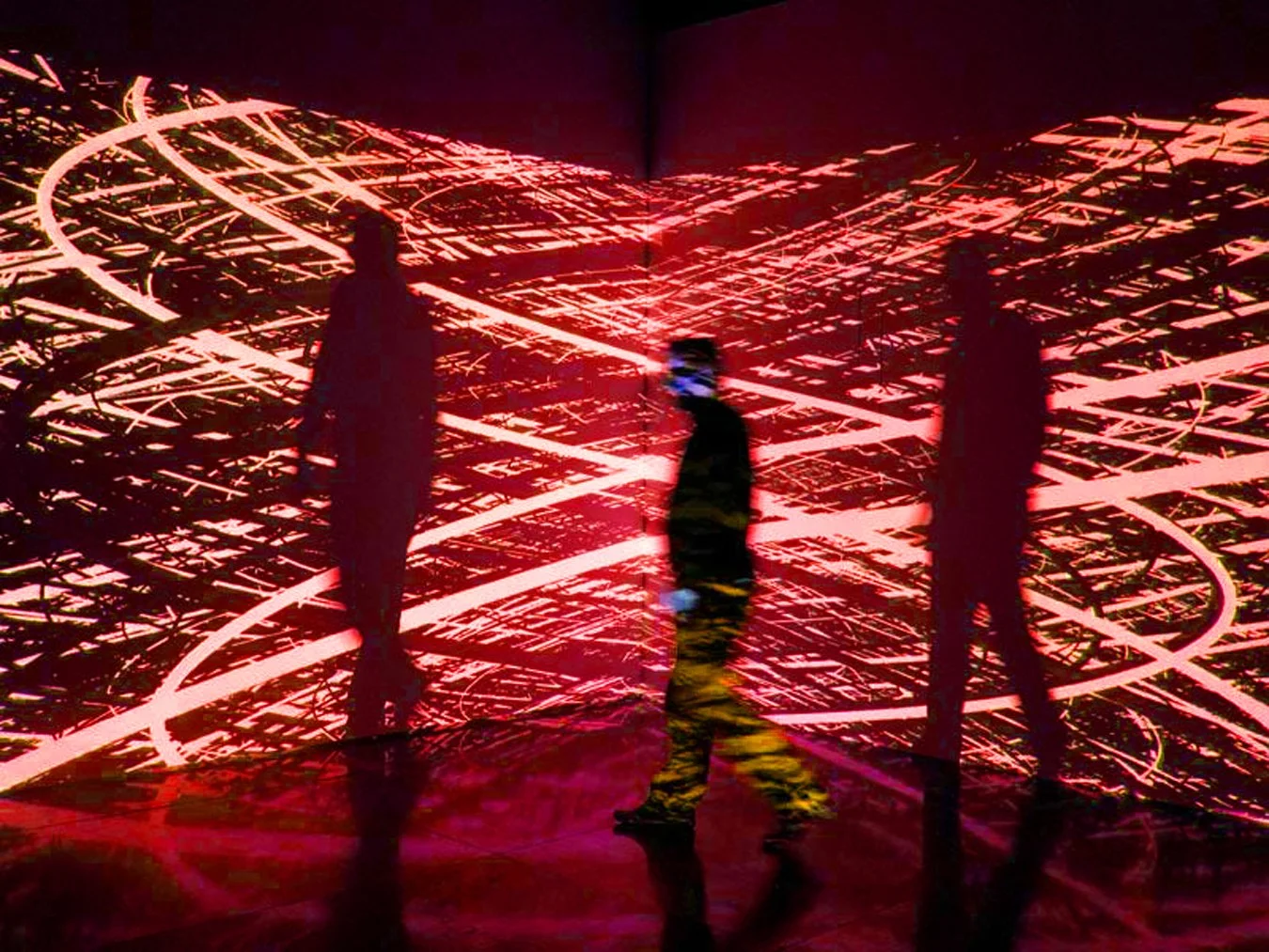
I have found that here are moments when a piece of art stops you cold. It’s not always because the art is technically impressive or because you're supposed to admire it, but because something in it feels weirdly, privately true — like it was made about something you've never said out loud. You don't fully understand why it hits you. You just know that it does.
And then…the person next to you shrugs and moves on.
This gap between responses is real (just go to any art museum and do some people watching!), and it's not really about education or exposure or taste, though we usually reach for those explanations first. I think it runs deeper than that. It has to do with the particular way each of us is organized inside — what we pay attention to, what we're hoping to find, what we unconsciously believe beauty is for.
This blog series is an attempt to map that territory, using the Enneagram as a guide.
The Enneagram describes nine distinct patterns of inner life — nine ways the psyche prioritizes experience and constructs meaning. Most people encounter it as a personality typing system, which it partly is. But it's more interesting than that. It's a map of what we're each fundamentally seeking: safety, identity, understanding, connection, harmony, significance. Different hungers, different strategies, different blind spots.
Art makes these patterns visible in a way that ordinary life usually doesn't. In conversation we can mask. In decisions we rationalize. But in what moves us — and what doesn't — we're surprisingly exposed. What you notice first in a painting. What you dismiss. Whether you want a work to challenge you or hold you. Whether technical precision feels like respect or avoidance. Whether emotional rawness feels honest or indulgent. All of it reflects something structural about how you approach meaning itself.
The same is true from the other side. Artists don't just choose subjects and styles — they reveal, often without intending to, what they believe beauty should accomplish. Some artists seem to be trying to get something right. Others are trying to feel something fully. Others want to understand, or disturb, or connect, or transcend. These aren't just aesthetic preferences. They're expressions of how the person is built.
Underlying all of it, I think, is a single shared impulse: the desire to get outside yourself, even briefly. To contact something larger than your own habits and preoccupations. We use different words for this — awe, resonance, catharsis, clarity, peace — but they're pointing at the same thing. Beauty, at its best, loosens something. It lets you down out of your head and into something more spacious.
The interesting thing the Enneagram reveals is that each type reaches for that spaciousness through a different door. Some through perfection. Some through emotional union. Some through penetrating understanding. Some through sheer intensity. Some through harmony. Each doorway is real — each one genuinely leads somewhere. But each also carries its own trap, a way of getting stuck in the entrance and mistaking the threshold for the room.
Over nine posts, this series will look at each type through two lenses: how they make art, and how they receive it. For each, we'll ask what drives them to create at all, what they're hoping to find when they look at someone else's work, where their instincts become a strength, and where those same instincts narrow into a limitation.
My aim isn't to slot artists into categories or to diagnose anyone. It's to use these patterns as a thinking tool — a way of noticing things that might otherwise stay invisible. Why certain creative struggles keep repeating. Why some work feels complete and alive to one person and hollow to another. Why the art we resist sometimes says more about us than the art we love.
I should be honest that I'm not a neutral observer here. My own temperament runs toward questions of emotional depth, authenticity, and identity — which is both an asset for this kind of writing and a built-in bias. I'll try to be clear when I'm speaking from that vantage point rather than a general one.
What I hope you take from this, more than anything, is a shift in how you ask questions about art. Not just do I like this?but what kind of beauty is this pursuing, and why does it land differently for different people? And maybe, occasionally, the harder question: what kind of beauty have I been walking past without knowing it?
Nobody approaches art from nowhere. We all come from somewhere specific. Understanding where that somewhere is doesn't diminish the experience — it opens it up.